
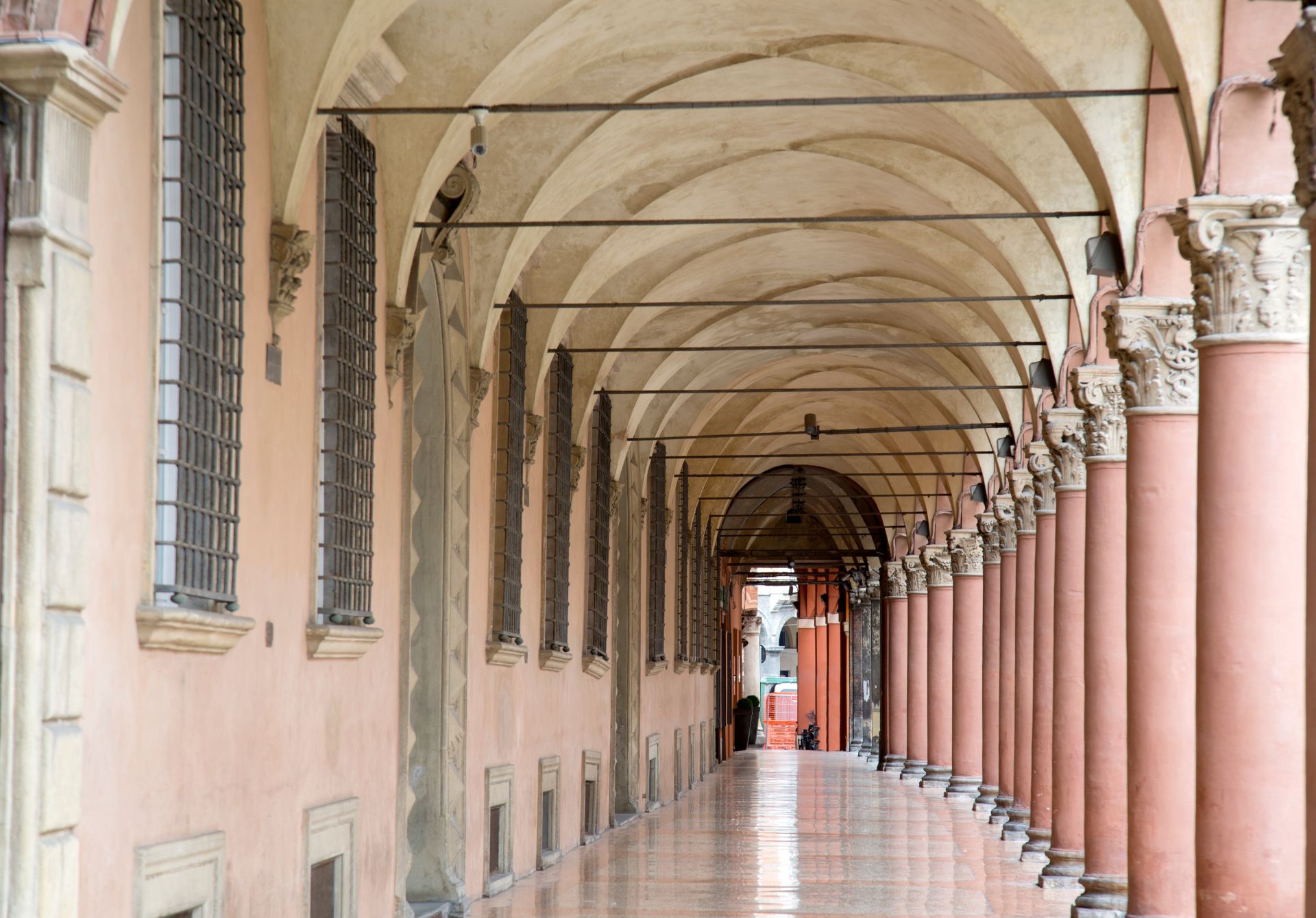
Imagine strolling through medieval streets where ancient stone columns create an endless canopy overhead, protecting you from both scorching summer sun and unexpected Italian downpours. Welcome to Bologna, where the world’s most extensive network of porticoes isn’t just architectural eye candy – it’s a living, breathing UNESCO World Heritage Site that transforms how you experience this captivating city.
If you’re planning a trip to Bologna or working with tourism and concierge services, understanding the porticoes network is essential. These aren’t just pretty walkways; they’re the arteries of Bolognese life, connecting every corner of the city through history, culture, and unparalleled urban design.
The UNESCO Recognition: What Makes Bologna’s Porticoes So Special?
In July 2021, Bologna’s porticoes officially joined the prestigious UNESCO World Heritage List, and frankly, it was about time. The recognition encompasses twelve distinct groups of porticoes spanning centuries of architectural evolution, from the 12th century to the present day.
By the Numbers:
- Over 62 kilometers of covered walkways throughout the city
- 12 component parts officially recognized by UNESCO
- Nearly 40 kilometers within the historic center alone
- Architecture spanning from medieval times to modern day
What makes Bologna’s porticoes unique isn’t just their length – it’s their continuity. Unlike other Italian cities where porticoes exist in pockets, Bologna’s network creates an unbroken urban fabric. You can literally walk from one end of the city center to another without ever stepping into the elements.
Tourism Services: Your Porticoes Experience Toolkit
Bologna Welcome, the city’s official tourism board, has developed a comprehensive suite of services specifically designed around the porticoes experience. These aren’t your typical tourist traps – they’re thoughtfully curated experiences that reveal layers of history most visitors never discover.
The flagship offering is the UNESCO Porticoes Walking Tour, running every Saturday at 4pm from Piazza Maggiore. At just €15 for 90 minutes, it’s possibly the best value cultural experience in Italy. The tour begins at the Museum of the History of Bologna, where you’ll get crucial context before heading out to explore the architectural marvels firsthand.
Pro Tip: Book through Bologna Welcome’s official website to guarantee your spot, especially during peak tourist seasons. The tours often sell out, particularly in spring and fall when the weather is perfect for porticoes walking.
For those seeking a more comprehensive experience, the UNESCO Porticoes and San Luca minibus tour offers something truly special. This Saturday excursion takes you on a journey through the most iconic stretches of the porticoes network, culminating at the Sanctuary of San Luca via the world’s longest portico – a mind-bending 3.8-kilometer covered climb up the hillside.
Concierge Services: Elevating Your Porticoes Adventure
Smart concierge services in Bologna have recognized that the porticoes aren’t just architectural features – they’re the key to unlocking authentic local experiences. Hotels like I Portici Hotel (fittingly named after the porticoes) offer specialized concierge services that go beyond basic tourist information.
A quality concierge service should be able to provide:
- Detailed walking routes that connect specific porticoes to hidden gems – local osterie, artisan workshops, and historic sites off the beaten path
- Weather-adaptive itineraries that maximize porticoes advantages during different seasons
- Cultural context that transforms a simple walk into a journey through Bologna’s social and architectural evolution
- Access to exclusive experiences, like private tours during the annual Bologna Portici Festival
The most valuable concierge services understand that different porticoes serve different purposes. The elegant covered walkways near Piazza Maggiore are perfect for luxury shopping and aperitivo culture, while the student-focused areas around the university offer authentic trattorias and vibrant nightlife.
Beyond the Tourist Trail: Hidden Porticoes Gems
While everyone talks about the famous San Luca portico, seasoned travelers know the real magic lies in discovering lesser-known architectural treasures. The 13th-century Casa Isolani houses one of the city’s highest wooden porticoes, where local guides share multiple versions of legends about mysterious arrows carved into the ceiling.
The Palazzo dell’Arcidiocesi di Bologna in via Altabella boasts the city’s tallest portico at over 10 meters high, creating a cathedral-like atmosphere that’s perfect for contemplative walks. Meanwhile, the medieval stretch along via Clavature reveals how porticoes evolved from practical medieval structures into sophisticated urban design elements.
Insider Knowledge: The best porticoes photography happens during the golden hour, when late afternoon light filters through the arches, creating dramatic shadows and highlighting the architectural details that make each portico unique.
Practical Tourism Integration
The porticoes network isn’t just a tourist attraction – it’s a practical urban infrastructure that smart travelers can leverage. The covered walkways connect major hotels, restaurants, shopping areas, and cultural sites, creating natural walking routes that protect you from weather while immersing you in local life.
Tourism services have recognized this practical value. The Bologna Welcome Card includes porticoes-focused experiences alongside traditional museum entries and restaurant discounts. The card holders get priority booking for specialized tours and access to detailed maps showing the most scenic porticoes routes between major attractions.
For tourism professionals, understanding the porticoes network is crucial for creating authentic Bologna experiences. These aren’t just pretty walkways – they’re living spaces where locals shop, socialize, and conduct daily life. A skilled tour guide or concierge can show visitors how to read the architectural evolution of the city through its porticoes, from medieval wooden structures to Renaissance stone masterpieces to modern interpretations.
The Future of Porticoes Tourism
UNESCO recognition has elevated Bologna’s porticoes from local curiosity to international destination, but this brings both opportunities and challenges. Tourism services are rapidly expanding their porticoes-focused offerings, with new digital tools, augmented reality experiences, and specialized cultural programs launching regularly.
The city is also developing sustainable tourism practices that respect the porticoes’ role as living urban infrastructure. This means balancing tourist access with local needs, ensuring that increased visitor numbers don’t compromise the authentic character that makes the porticoes special.
Your Porticoes Journey: Key Takeaways
Bologna’s porticoes network represents something unique in world tourism – a UNESCO World Heritage Site that’s simultaneously an architectural marvel, urban infrastructure, and living cultural space. Whether you’re planning a visit or designing experiences for others, understanding this network is essential for authentic Bologna engagement.
The combination of official tourism services, skilled concierge support, and personal exploration creates the perfect framework for experiencing these remarkable walkways. From the grandeur of the San Luca climb to the intimate charm of medieval wooden porticoes, Bologna offers a porticoes experience that’s both deeply rooted in history and thoroughly modern in its accessibility.
Remember that the porticoes aren’t just something to see – they’re something to experience. Take time to pause under the arches, notice how locals use these spaces, and appreciate how ten centuries of architectural evolution have created something truly extraordinary. In Bologna, the journey really is the destination, and the porticoes ensure that every step of that journey is covered in history, beauty, and Italian style.